September 9, 2026
Lawn care maintenance involves more than keeping grass neatly trimmed. Healthy turf requires ongoing attention to soil conditions, nutrition, weeds, pests, disease, watering, and seasonal changes. A structured maintenance program can address these needs through services such as fertilization, weed control, aeration, pest management, and disease control. Regular mowing, edging, trimming, and cleanup also help maintain the appearance of residential and commercial properties throughout the year. Consistent attention to these areas can help address changing turf conditions and keep lawn care requirements planned throughout the seasons. From routine property maintenance to targeted turf treatments, a comprehensive approach can account for the specific characteristics of the grass, soil, and surrounding landscape. Understanding the different components of lawn care maintenance makes it easier to identify which services may be appropriate for maintaining established residential and commercial turf.
1. Healthy Soil Conditions
Healthy soil plays an important role in turf health because soil conditions influence how effectively grass can access nutrients and water. Professional soil testing can help identify conditions that affect turf performance and guide appropriate lawn-care strategies. Soil testing is part of a broader turf-management approach that considers factors such as grass type, soil composition, climate, and the specific needs of the property.
2. Effective Turf Aeration
Aeration helps address soil compaction by creating openings that improve the movement of air, water, and nutrients through the soil. The service can support deeper root development and healthier turf. Aeration is available for both Bermuda and Fescue lawns, with the timing and approach adjusted to the grass type. Bermuda lawns are aerated during active growth, while Fescue lawns receive fall aeration to support new seedling development when maintenance is performed.
3. Consistent Lawn Mowing
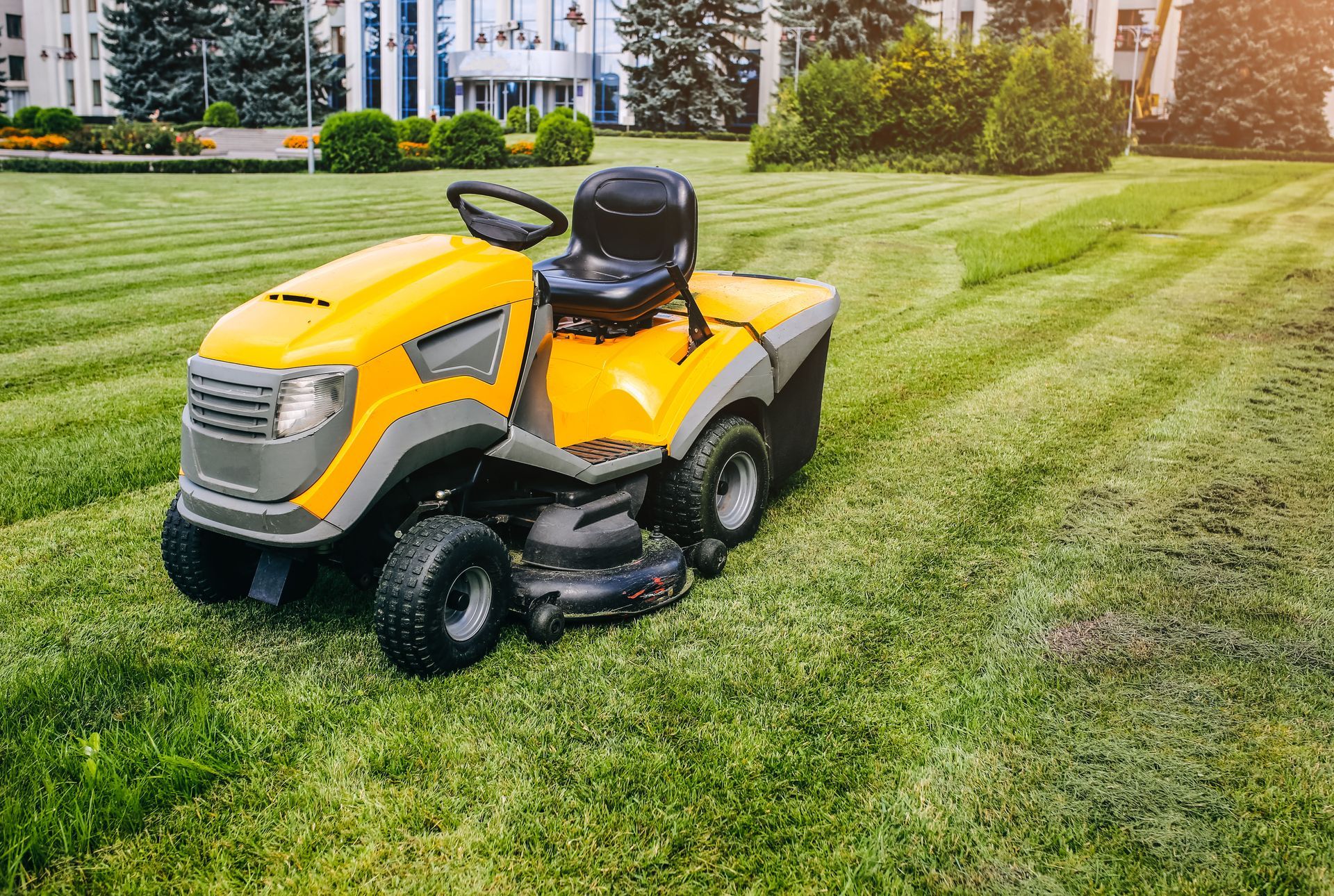
Regular mowing is an important part of maintaining a neat, healthy lawn. Professional residential property maintenance includes weekly mowing along with edging, trimming, and cleanup. Commercial property maintenance likewise includes regular mowing, edging, blowing, and cleanup to keep turf and surrounding areas maintained. Consistent mowing is an important component of lawn care maintenance and supports the overall appearance of the property.
Mowing is one part of a broader turf-management strategy. Lawn care maintenance can be combined with services such as fertilization, weed control, aeration, pest management, and disease control to address different aspects of lawn health. A coordinated approach allows turf needs to be addressed throughout the growing season rather than relying on mowing alone.
Manage Water, Pests, and Weeds
4. Proper Irrigation Care
Proper irrigation helps provide turf and landscape areas with appropriate water coverage. Professional irrigation maintenance can include system inspections, sprinkler-head adjustments, leak repairs, seasonal preparation, and coverage adjustments. Maintaining the irrigation system can also help address uneven watering and unnecessary water use across the property, making irrigation maintenance an important part of lawn care maintenance.
Irrigation systems can require periodic inspection and adjustment to maintain appropriate coverage. Maintenance may include adjusting sprinkler heads, repairing leaks, and modifying water coverage for different areas of the property. Seasonal adjustments can also help keep irrigation systems operating appropriately as landscape conditions change.
5. Targeted Pest and Weed Management
Pest and weed management are important components of ongoing turf care. Grub-control treatments can address grub larvae that feed on grass roots and contribute to turf damage, while weed-control services address unwanted growth within the lawn. A turf-management program can incorporate preventative and targeted treatments according to the condition and needs of the property.
Maintaining healthy turf can help support a lawn's overall appearance while addressing conditions that contribute to weed, pest, and disease concerns. Fertilization, weed control, aeration, grub control, and lawn disease control can each play a role in a comprehensive turf-management program. These services can be incorporated according to the lawn's grass type, soil conditions, and seasonal needs.
6. Effective Lawn Disease Control
Lawn disease control can help address fungal problems that affect turf health and appearance. Professional disease-management services include preventative applications, early disease detection, targeted treatments, and pathogen identification. Specific lawn diseases addressed through turf management include brown patch, dollar spot, and Pythium blight.
Adapt Lawn Care by Season
7. Seasonal Lawn Care
Seasonal turf care can address changing lawn needs throughout the year. Fertilization, weed control, pest management, disease control, and aeration can be incorporated into a year-round turf-management program. Aeration can be tailored to grass type, with maintenance taking place in the fall and Bermuda aeration performed during active growth.
Summer turf care can include continued attention to pests, weeds, disease, nutrition, and irrigation. Lawn disease-control services address concerns such as brown patch, dollar spot, and Pythium blight, while pest-management services can address problems affecting turf. Irrigation maintenance can also include seasonal adjustments and system inspections to help maintain appropriate water coverage.
According to IBISWorld, the landscaping industry is valued at $176.7 billion in 2026. This figure reflects the broader scope of professional landscaping and property-care services available to property owners. Within that broader industry, lawn care maintenance can address changing turf needs through ongoing treatments and seasonal services.
8. Healthy Turf Improvement
Maintenance can help address thin areas of established turf by introducing improved grass varieties. Fescue uses selected tall Fescue varieties chosen for characteristics such as disease resistance, drought tolerance, color retention, and improved lawn thickness. Aeration can prepare the soil and support new seedling growth.
Maintain the Entire Property
9. Established Landscape Restoration
Existing residential and commercial landscapes can receive restoration services when turf, plants, or landscape areas need improvement. Landscape restoration can address conditions such as soil compaction, dead vegetation, and declining growth through services including soil testing, soil amendment, strategic replanting, and ongoing care. This service focuses on restoring established landscape areas rather than establishing an entirely new lawn.
10. Comprehensive Tree and Shrub Care
Tree and shrub care extends property maintenance beyond turf areas. Services can include seasonal inspections, targeted fertilization, pest treatments, disease treatments, and deep-root feeding. Pest management can address concerns involving scale, spider mites, and borers, while shrub pruning can remove damaged branches, control overgrowth, maintain desired shapes, and support healthy plant growth.
11. Seasonal Landscape Bed Care
Landscape-bed maintenance can include pine needle and mulch installation for residential and commercial properties. Services include preparing landscape beds, applying weed barriers, and distributing mulch or pine needles. Seasonal flower-bed installation is also available, including soil preparation, plant selection, professional planting, and seasonal rotations.
12. Effective Drainage Management
Drainage solutions can help manage excess water across residential and commercial properties. Available solutions include French drains, channel drains, regrading, and erosion-control measures. These services can address concerns such as standing water, erosion, and other drainage-related landscape problems.
13. Winter Property Preparation
Seasonal property maintenance extends into winter with residential and commercial snow removal. Residential services cover areas such as driveways, walkways, and entrances, while commercial snow removal includes parking lots, walkways, and entrances. Winter property care can help keep these areas accessible during snow and ice accumulation.
Maintaining healthy, attractive turf takes thoughtful care throughout the year. From fertilization, weed control, and aeration to irrigation maintenance, landscape restoration, drainage solutions, and seasonal property services, a comprehensive approach can address changing lawn and landscape needs. Whether caring for a residential yard or commercial property, AMPTurf Total Turf Managers offers tailored turf and landscape services to support ongoing property maintenance. Learn more about the available services and how they can help keep your outdoor spaces looking their best.